
Dry skin in winter is not in your head. Cold air outside and dry heat inside pull water out of your skin faster than it can replace it, and a thin lotion rarely keeps up. The result is skin that feels tight, looks dull, and turns ashy by midday.
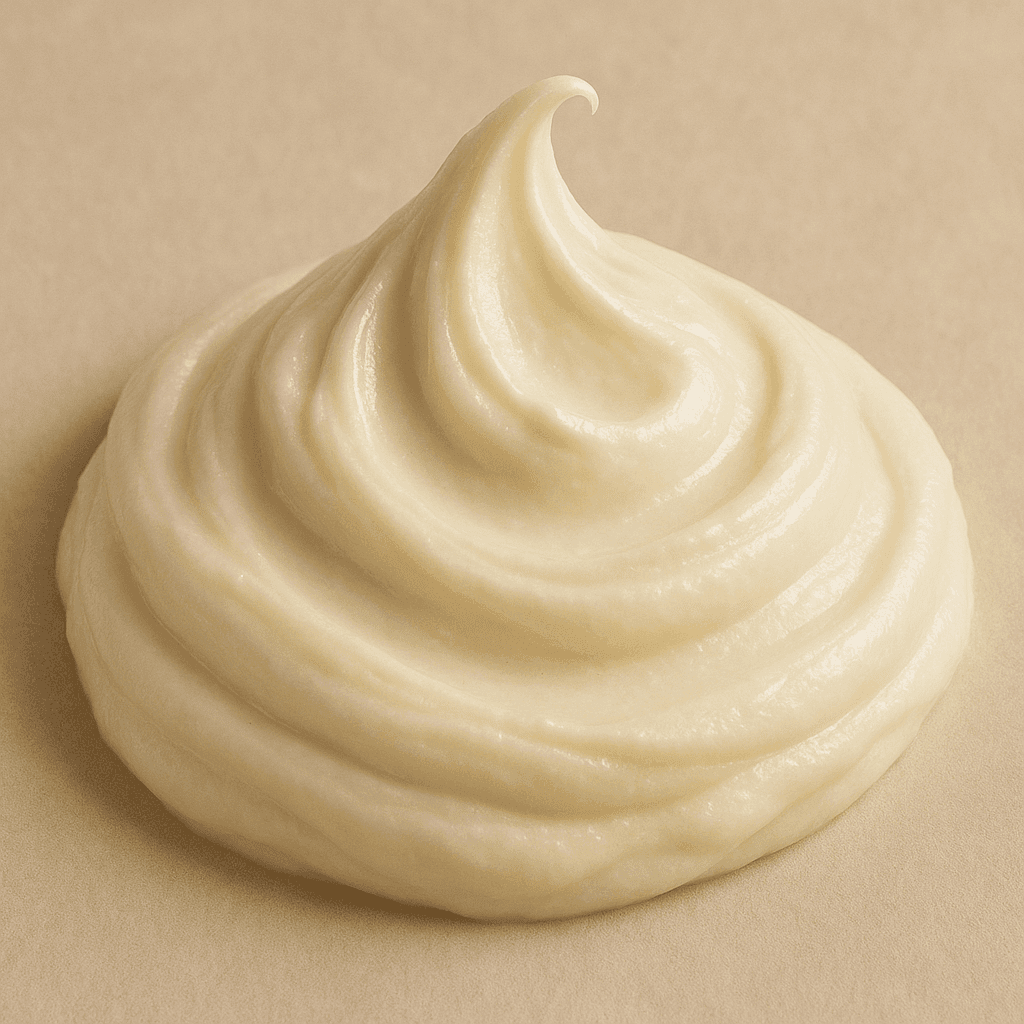
Embody™ Body Butter from HERYANG is made for this season: an emulsified shea and mango body butter with rosehip oil, sweet almond oil, and vitamin E that delivers moisture and then helps hold it in place.
Here is what happens to your skin when the temperature drops, how to keep skin hydrated in winter, and the three-minute ritual that keeps it soft and luminous until spring.
Why Dry Skin in Winter Happens
Cold air holds less moisture than warm air, and indoor heating dries it out even more. The American Academy of Dermatology notes that the drop in temperature and humidity makes it harder for skin to hold on to moisture, which is why dryness and itch peak in the colder months.
Your skin's outer layer works like a brick wall. Skin cells are the bricks, and natural lipids are the mortar that keeps water in. When the air around you is dry, water escapes through that wall faster. Long hot showers, harsh soaps, and rough fabrics wear down the lipid mortar and speed up the loss.
The result is skin that feels tight after bathing, looks dull, and flakes at the surface. Those loose, dry surface cells scatter light, which shows up as ashy skin with a gray cast, especially on deeper skin tones. Winter dryness is not a flaw in your routine. It is a signal that your skin needs more lipids and a better seal.
The Best Moisturizer for Dry Skin in Winter Is a Rich One
Lotions are mostly water. They feel light, but in dry air that water evaporates quickly and takes the comfort with it. Butters and creams carry more lipids, which is exactly what winter skin is missing. The AAD advises choosing a cream or ointment over a lotion for dry skin because richer formulas add more moisture and work better, and its dermatologists suggest switching to heavier creams when the weather turns cold.
When you choose a winter moisturizer, look for three things:
- Rich butters and oils that replace the lipids cold air wears down.
- A texture that absorbs, so you will reach for it every single day.
- A gentle formula your skin is comfortable with morning and night.
For a side-by-side look at textures, read our guide to body butter for dry skin.
How Embody Body Butter Locks In Moisture
A winter moisturizer has three jobs: bring water to the skin, soften the surface by filling the gaps between dry cells, and seal that moisture in. Embody is an emulsified body butter, which means its butters and oils are blended with a water phase into one velvety cream. You get hydration and a lipid seal in a single step, and it melts in instead of sitting on top of your skin.
Shea Butter for Dry Skin
Shea butter is rich in fatty acids that soften and cushion the skin. It leaves a protective layer that slows water loss, and it is on the AAD's list of ingredients to look for in a cream for dry skin. It is the reason a shea body butter feels so comforting on a cold night.
Mango Butter for Skin
Mango butter is a creamy butter with a lighter feel that melts at skin temperature. It adds richness without a heavy, waxy finish under winter layers.
Rosehip Oil for Skin
Rosehip oil supplies essential fatty acids, including linoleic acid, plus antioxidants. Linoleic acid is one of the fatty acids skin uses in its own moisture barrier.
Sweet Almond Oil
Sweet almond oil is a lightweight emollient that smooths rough texture. It helps the butter spread and absorb, so skin feels soft and never greasy.
Vitamin E
Vitamin E offers antioxidant support and helps defend the skin's lipids against stressors like wind and dry heat.
Embody is made without parabens, phthalates, or synthetic fragrance, so the formula stays focused on what dry skin needs.
The Benefits of Embody for Dry Winter Skin
- Moisture that lasts past midday. The butters and oils hold water at the skin's surface, so the softness you feel after applying is still there hours later.
- Support for your moisture barrier. Fatty acids from shea, mango, rosehip, and sweet almond replenish the lipids that cold, dry air wears down.
- Smoother texture where winter hits hardest. Elbows, knees, dry legs, heels, and hands soften with consistent use, and rough patches look and feel more even.
- Comfort after every shower. A cushioned layer of lipids eases that tight, dry feeling and keeps skin comfortable through long days in heated rooms.
- A healthy glow, not a greasy shine. Hydrated skin reflects light evenly. The velvety texture absorbs, so you get luminosity without residue on your clothes.
- A formula made for daily use. No parabens, phthalates, or synthetic fragrance, with a soft, natural scent.
- A moment that belongs to you. Massaging butter into your skin is a pause in a full day: warm hands, a slow breath, and your attention on the body that carries you.
With consistent morning and evening use, skin feels softer and smoother, often within the first two weeks.
How to Keep Skin Hydrated in Winter: The Embody Ritual
When you apply matters as much as what you apply. This takes about three minutes, morning and night.
- Keep the shower warm and short. Five to ten minutes in warm water is the range dermatologists recommend. Hot water strips the lipids you are trying to protect.
- Pat, do not rub. Press a soft towel against your skin and leave it slightly damp.
- Apply while skin is still damp. Butter applied right after bathing traps the water already sitting in your skin. This is the single most important step.
- Warm a small scoop between your palms. A little goes a long way. Add more only where skin drinks it in.
- Massage in slow, circular motions. Work from your ankles upward and spend extra time on elbows, knees, shins, heels, and hands.
- Give it a minute before you dress. Let the butter settle so it stays on your skin and not on your sweater.
- Repeat before bed. Night is when skin recovers. For heels and hands, apply a thicker layer and slip on cotton socks or gloves.
Take one slow breath before you begin. You showed up for yourself today, and this is how you close the loop.
Winter Dry Skin Remedies That Help Your Butter Work Harder
These small changes come from the AAD's guidance on relieving dry skin and make every application go further.
- Run a humidifier while you sleep. Putting moisture back into bedroom air gives your skin less to fight overnight.
- Choose a gentle cleanser. Use it where you need it and skip the thick lather, which removes more natural oil than necessary.
- Reapply after washing your hands. Hands show dryness first. Keep a small amount of butter within reach.
- Wear gloves outdoors. Covering your hands protects them from cold, dry air.
- Layer soft fabrics against your skin. Cotton or silk under wool keeps rough fibers from irritating dry areas.
- Ease off the heat. Dry indoor heat pulls moisture from the air. A warmer layer of clothing is kinder to your skin than a higher thermostat.
Winter Skin Care FAQ
Why is my skin so dry in winter?
Cold air carries less moisture, indoor heating dries the air further, and hot showers remove the natural oils that hold water in your skin. Together they cause water to leave your skin faster than usual.
What is the best moisturizer for dry skin in winter?
A rich cream, butter, or ointment applied to damp skin. Richer textures hold moisture longer than lotions, and ingredients like shea butter help slow water loss. Embody pairs shea and mango butters with rosehip and sweet almond oils for that reason.
What does body butter do for winter skin?
Body butter softens the skin's surface, cushions rough areas, and leaves a layer of lipids that slows water loss. In winter, that layer does the work your skin's own oils struggle to keep up with.
What is the difference between emulsified and whipped body butter?
Whipped body butter is made from butters and oils whipped with air and contains no water, so it is very rich and can feel heavy. An emulsified body butter blends butters and oils with water into a cream that spreads easily and absorbs faster. Embody is emulsified.
How do I get rid of ashy skin in winter?
Ash is dry surface skin. Keep showers short and warm, apply butter to damp skin twice a day, and reapply to hands, elbows, and knees whenever they look dull.
Is Embody a good body butter for sensitive skin?
Embody is made without parabens, phthalates, or synthetic fragrance and is designed for daily use, including on sensitive skin. As with any new product, patch test on a small area first.
When should I see a dermatologist?
If your skin stays very dry, cracks, or bleeds despite consistent care, the AAD recommends seeing a board-certified dermatologist. Persistent dryness can point to an underlying condition that needs treatment.
Soft Skin All Winter Starts Tonight
Winter will do what winter does. Your skin does not have to follow. A short warm shower, a scoop of Embody on damp skin, and three unhurried minutes are enough to keep your skin hydrated, comfortable, and glowing through the coldest months. You deserve to feel at home in your skin in every season.
Keep Reading
- Body Butter for Dry Skin: A Simple Routine for Soft, Glowing Skin
- How to Get Soft, Glowing, Moisturized Skin
- Goodbye Strawberry Legs: How to Get Smooth, Even Skin
Sources
- American Academy of Dermatology, Dermatologists' top tips for relieving dry skin, last updated January 2, 2026
- American Academy of Dermatology, Cold weather and your skin, January 31, 2023
This article is for general skin care education and is not medical advice.